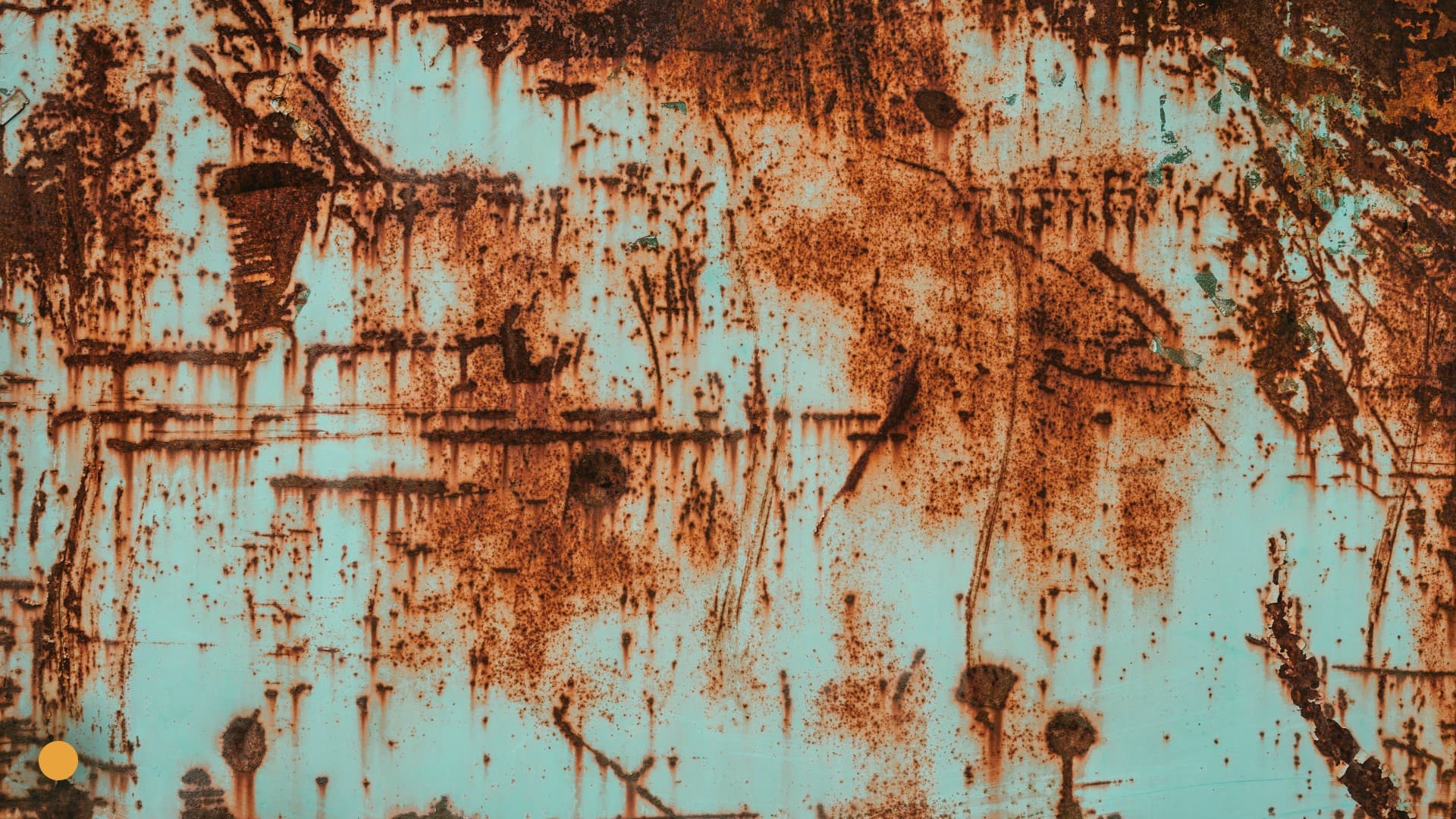
A 60" tank gets knocked back at the depot. Welds opening at the seams. Rust already showing on the outside of a vessel that's never held water. The installer's standing there with a crane booked, a crew on the clock, and a client expecting a system to be running by the weekend.
That's not a hypothetical. So this is worth getting specific about. When a media filter tank fails, it almost never fails everywhere at once. It fails in one of three places. And if you know where to look, you can catch two of them before the tank ever comes off the truck.
1. The longitudinal and circumferential welds
This is the one that ends careers and contracts.
A media filter is a pressure vessel. It spends its whole life holding pressure on the inside and getting shoved around by it. The two weld types that hold the shell together — the long seam running down the body, and the circular seams joining the shell courses and the dished ends — carry that load. When one of those welds is wrong, the tank doesn't leak politely. It fails under the exact conditions it was built for.
Most weld failures aren't a welder having a bad day. They're a process problem the factory either doesn't control or doesn't check. Lack of fusion, where the weld metal never properly bonds to the parent steel. Porosity, where gas gets trapped in the bead and leaves voids. Undercut at the toe of the weld, where the base metal's been burned away and you've quietly created a stress concentration that cracks open later. None of these are visible to a buyer eyeballing a finished, painted tank in a yard. That's the trap. The weld can look clean and be hollow.
The only honest way to know a weld is sound is to test it before it's buried under coating. Visual inspection by someone who knows what they're looking at, then non-destructive testing on the pressure-retaining welds — radiography or ultrasonic on the seams that matter. If a factory can't tell you which welds they test and how, that's your answer. You're not buying a tested vessel. You're buying a hopeful one.
2. The coating — inside and out
The corrosion you can see on delivery is the corrosion that's already won.
External rust on a brand-new tank means one of two things, and both are bad. Either the steel sat around bare or half-prepped before coating, or the surface was never properly cleaned before paint went on. Coating doesn't fix rust. It seals it in. If mill scale, oil, or flash rust is still on the steel when the powder coat or paint goes down, the coating has nothing to grip. It'll look fine in the yard and start lifting in sheets eighteen months into a coastal install.
The inside matters more and gets checked less. A media filter holds water — often hard, often high in chloride if it's anywhere near the coast or running bore water. The internal lining is the only thing standing between that water and the steel. A thin internal coat, or one applied over a poorly prepped surface, is a slow leak waiting to happen from the inside out. By the time it shows, the media's contaminated and the tank's scrap.
What good looks like: blast the steel to a proper surface standard before anything goes on it, a coating system specified for the water and the environment it's going into, and a measured film thickness someone actually recorded rather than guessed. Coastal WA is not the same job as an inland shed. The coating spec should know that.
3. The gaskets and sealing faces
This is the small one that causes the most callbacks.
The manhole, the flanges, the lateral and diffuser connections — every joint is a place where a tank can weep, and every weep is a phone call. Gasket failure usually isn't the gasket. It's the sealing face it's clamped against. If the flange face is rough, out of flat, or the bolt holes don't pull up evenly, no gasket on earth seals it for long. You torque it up, it holds for the commissioning test, and three months later there's a damp patch and a customer who's lost confidence in the whole system.
The gasket material has to suit the duty too — the pressure, the temperature, the water chemistry. A cheap rubber gasket in a high-chloride, high-pressure application is a part that was chosen on price and nothing else. You won't see that decision in a quote. You'll see it in your warranty claims.
What this means when the truck arrives
Two of these three you can catch on delivery, before you sign.
Walk the external welds and the coating. Look for rust streaks, lifting paint, pinholes, runs, or bare patches around the welds and fittings. Run a hand over the seams. Check the sealing faces on the manhole and flanges — are they flat, clean, machined, or rough and painted-over? Five minutes with your eyes open tells you more than a glossy spec sheet.
The welds you can't see into. That one you have to handle upstream — by knowing the factory tests its pressure-retaining welds and being able to see the records. Which is exactly why, before we approve a tank, we want eyes on the welding and coating process, not just the finished product in a photo. The finished product is designed to look right. The process is where the truth is.
A rejected container isn't bad luck. It's a tank that failed in one of three predictable places, and a buyer who didn't get to look until it was too late. Know the three places. Look before you sign.