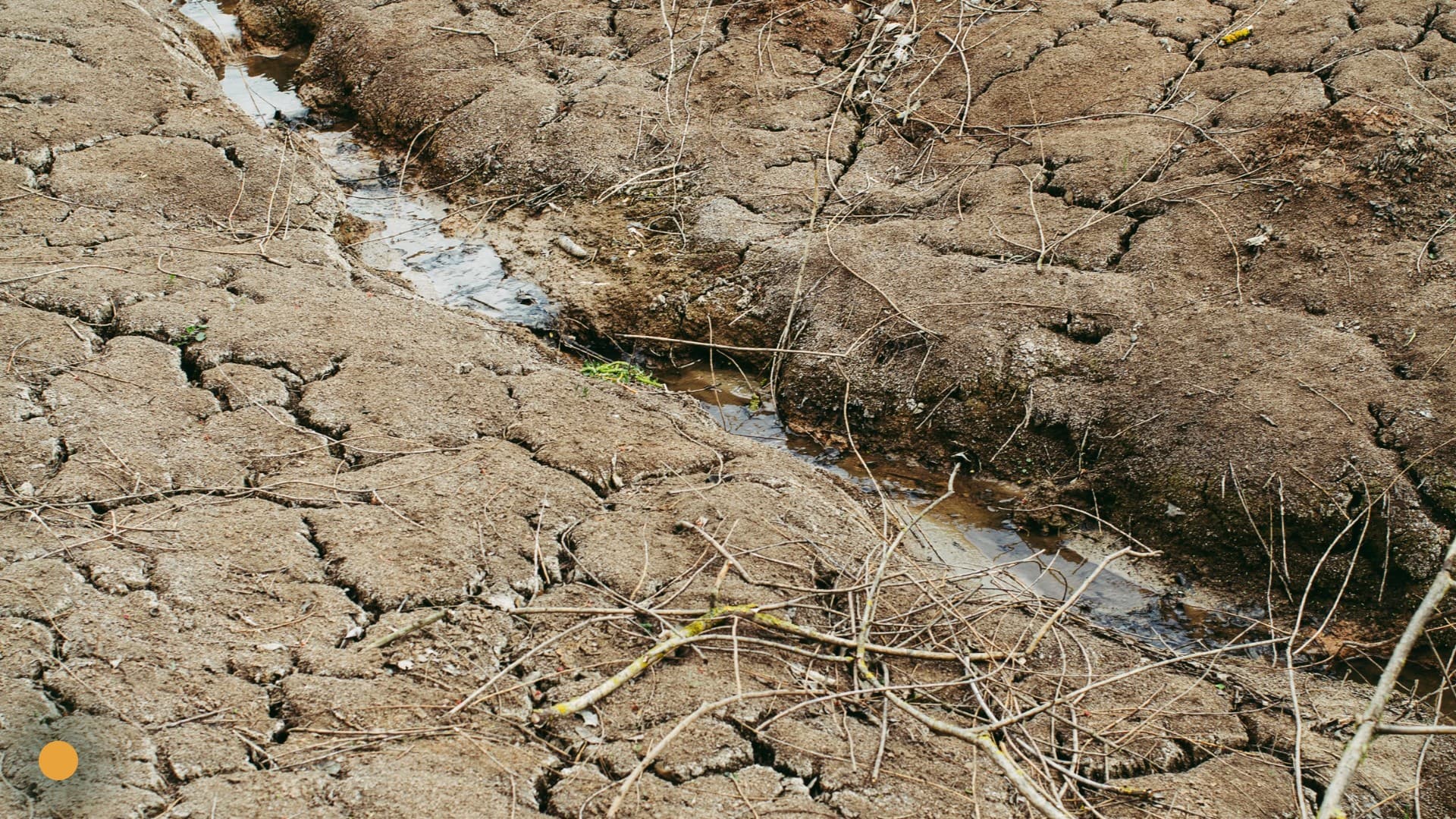
South Australian River Murray irrigators are being told to plan around a 62% opening allocation for 2026-27. That's the minimum, on the Basin Authority's worst-case numbers — 1,246 gigalitres against a full Entitlement Flow of 1,850. The projection held steady through April and May, after two dry years in a row, and the dams behind it aren't comforting. Burrinjuck sitting at 38%. Blowering at 30%. Menindee at 33% and falling.
Now, the honest part first: 62% is the floor, not the forecast. Most inflows arrive between July and October, and allocations usually climb off the opening number. Anyone telling you the season's already lost is selling something. But here's the thing that doesn't change whether you open at 62% or claw back to 90% — the water you do get this year costs more than it did two years ago. Carryover's gone for anyone over 50%, so there's no buffer from last season to lean on. Every litre that comes down the channel has to earn its place.
That changes the maths on a piece of gear most people treat as background. The filter.
When water's cheap and plentiful, a filter that lets a bit of grit through is an annoyance. You backflush more often, you replace a few emitters, you move on. When water's expensive and you're rationing it across a block, the same filter is a leak in your margin. A partially blocked dripline doesn't announce itself. It just quietly puts less water on some rows than others, and you don't find out until you're walking the block in February wondering why a corner's stressed while everything around it looks fine. That's not a filtration problem you can see. It's one you measure in yield, three months too late.
And it gets worse with the cheap end of the market. A filter that fails mid-season — a weld that lets go, a media bed that channels, a vessel that's corroding from the outside before it's a year old — doesn't just cost you the replacement. It costs you the water that ran past it unfiltered while you sourced a new one. In a 62% year, that's the most expensive water on the property: water you paid a premium for, then wasted because the thing meant to protect your system gave out.
This is the part installers already know and growers don't always hear until it's too late. The filter isn't there to clean water. It's there to protect every dollar downstream of it — the driplines, the emitters, the pump, and the allocation itself. In a wet year that protection is worth having. In a dry year it's the cheapest insurance on the place.
So if you're speccing or replacing filtration heading into this season, the question isn't "what's the cheapest unit that'll pass an inspection." It's "what's the cost if this thing fails in the middle of a dry summer when water's at its dearest and I can't get a container in for eight weeks." Those are different questions, and they lead to different gear.
Filtration is what we know cold. The metal media systems large commercial operations run, and the two stages where they fail: welds and coating. We've rejected a container over exactly that, so this isn't theory for us. The standard we hold a factory to is simple. It has to survive the season you can't afford to lose, not the season where a failure's just a nuisance.
A 62% year is that season. Spec for it.
\
Sources: SA Department for Environment and Water, River Murray allocation projection for 2026-27 remains at 62%; Australian Rural & Regional News, Murray-Darling water allocations heading into winter 2026.
\